Hemp has a reputation problem. Mention it and people tend to assume one of a handful of things, most of which are half true at best. We get asked about the same seven every week, so here they are, with the detail behind each answer.
Myth 1: hemp oil is just CBD
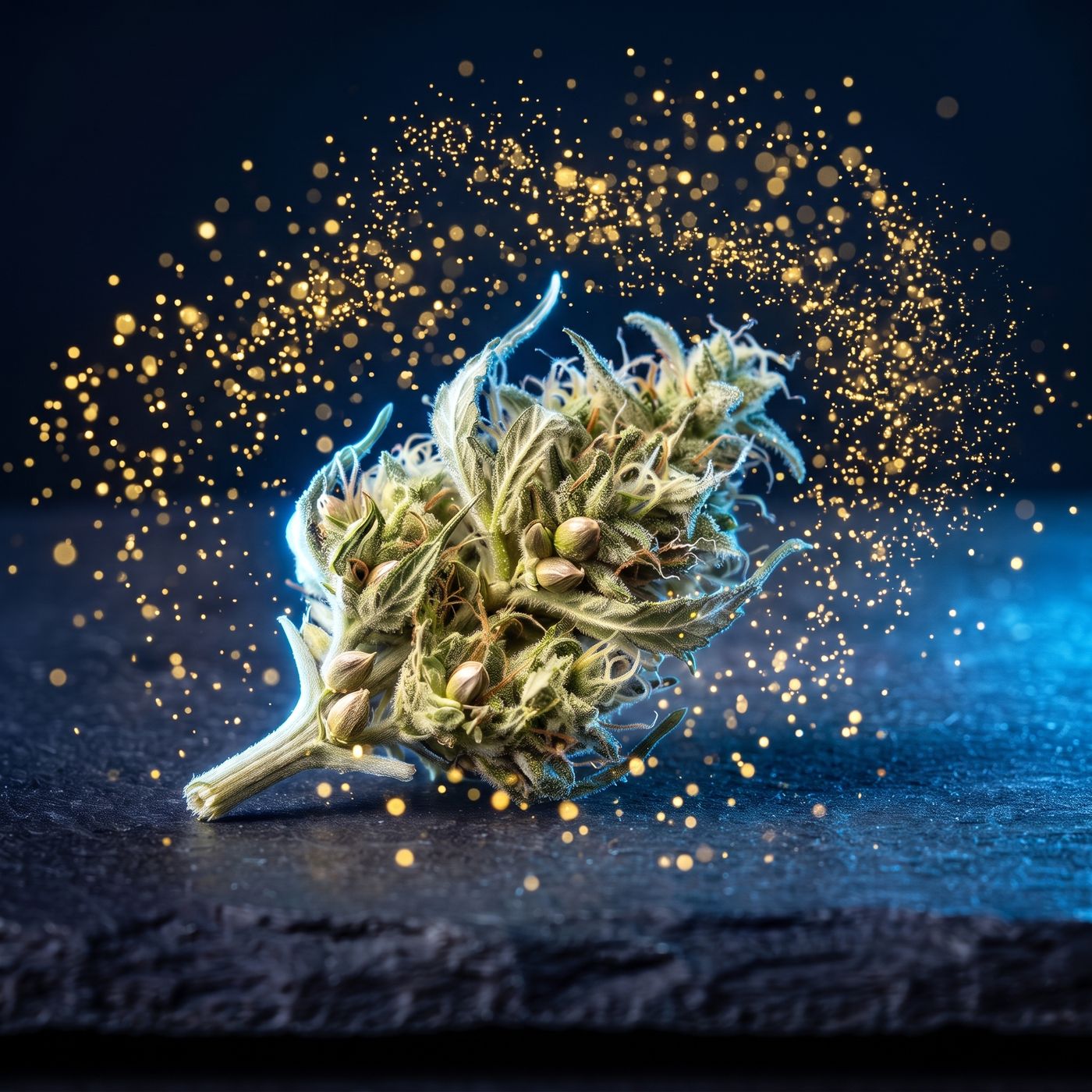
The fact: hemp produces hundreds of natural compounds. Cannabinoids such as CBD are one family among many. The plant also makes fatty acids, vitamin E forms, terpenes, flavonoids and sterols.
Part of the confusion is the label. "Hemp oil" is used loosely for very different products. Hemp seed oil is a pressed oil from the seed, much like sunflower or rapeseed oil. A CBD oil is an extract built around one compound. On a cosmetic label, the ingredient name to look for is the INCI name. Hemp seed oil appears as Cannabis Sativa Seed Oil.
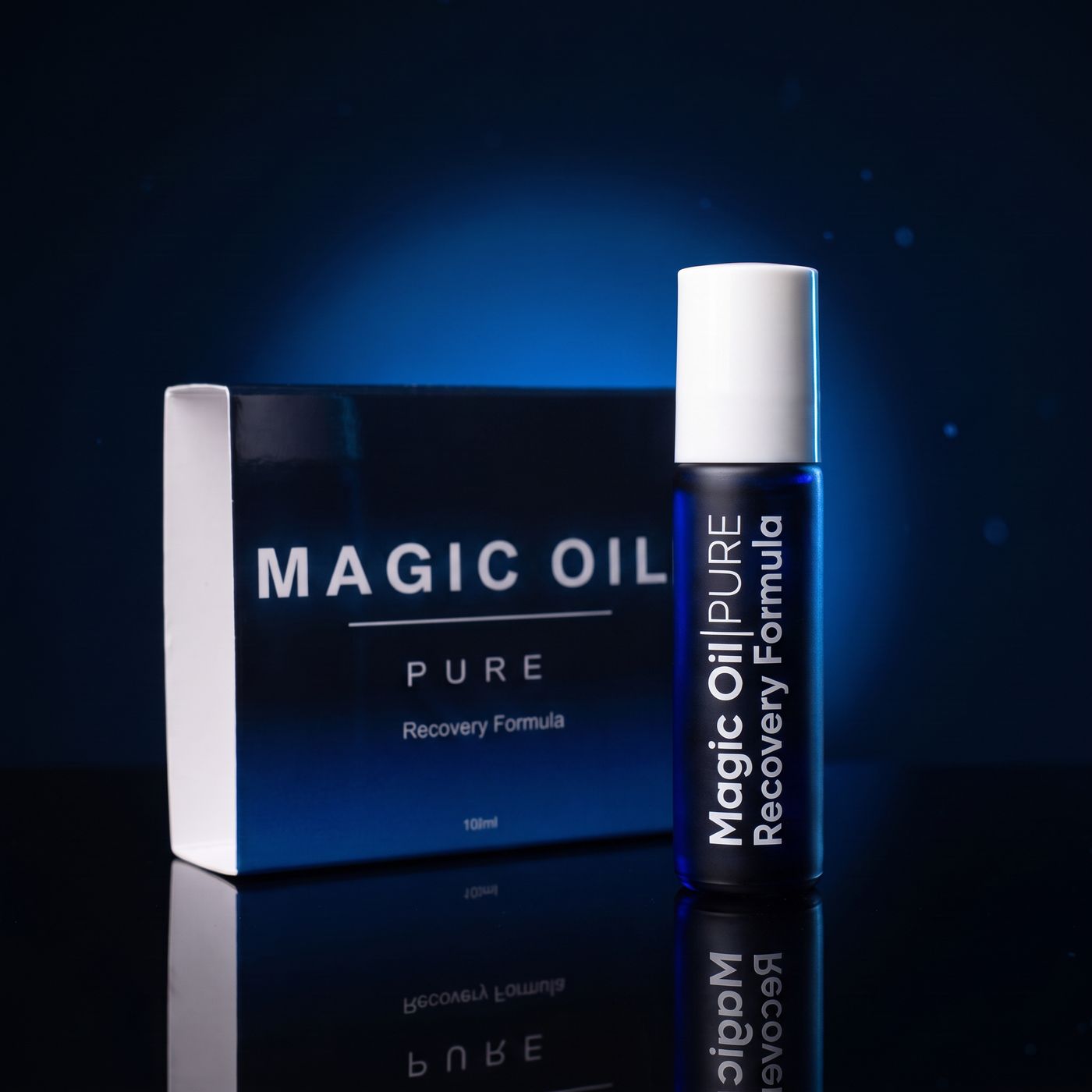
Magic Oil PURE keeps the rest of the plant rather than the one compound everyone talks about. It was tested by a UKAS-accredited laboratory. Cannabinoids, including THC and CBD, were not detected.
Myth 2: hemp seed oil and hemp extract are the same thing
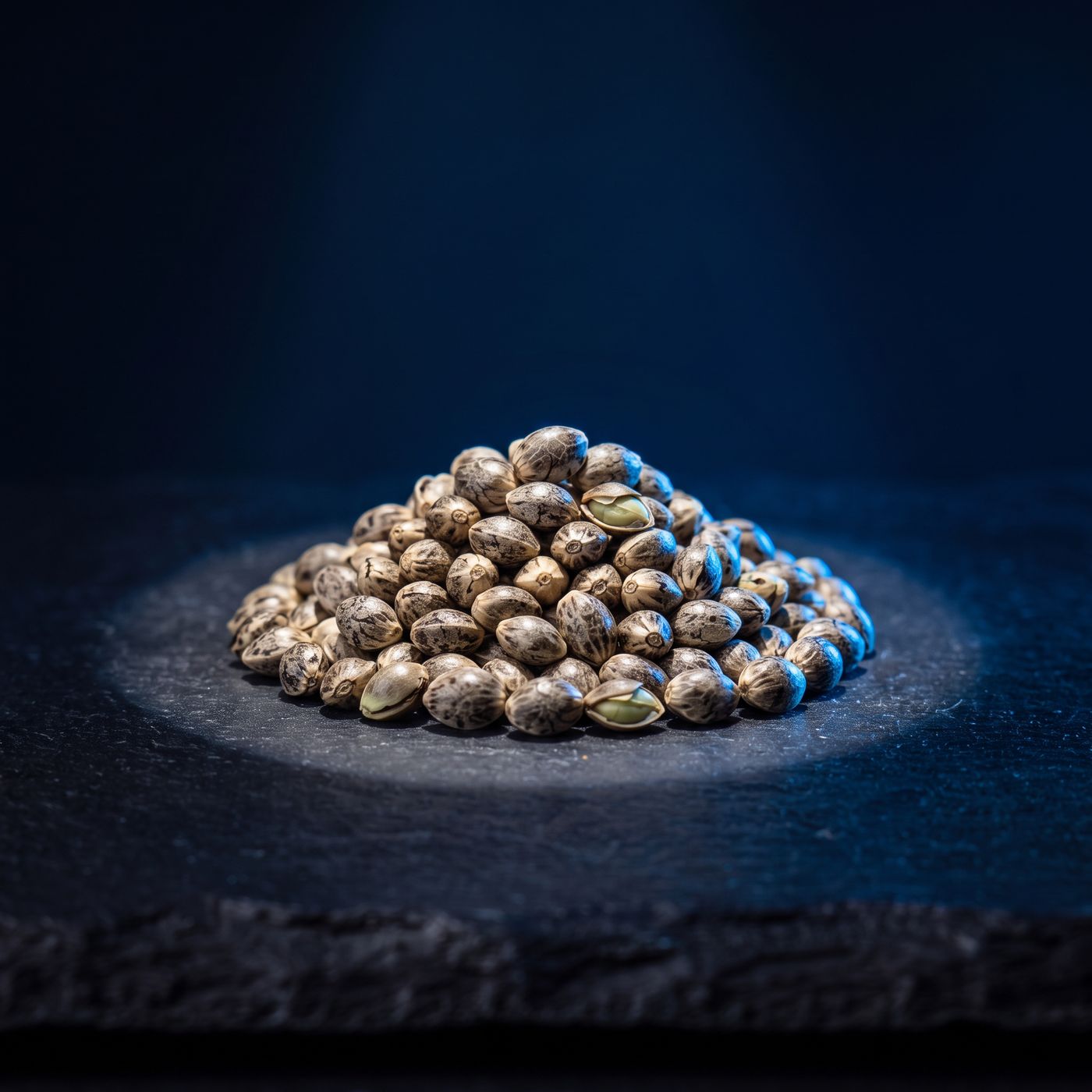
The fact: they come from different parts of the plant and carry different compounds. Hemp seed oil is cold-pressed from the seed. It is rich in fatty acids, including omega-6, omega-3, GLA and SDA, plus natural vitamin E. Hemp extract comes from the flowering parts of the plant, where hemp makes most of its terpenes and flavonoids.
We use both. That is why our ingredient list has two lines, not one. The full breakdown is in What's actually inside Magic Oil PURE.
Myth 3: hemp is just cannabis by another name
The fact: hemp and the plants grown for drug use belong to the same species, Cannabis sativa L., much as a chihuahua and a Great Dane are both dogs. Industrial hemp has been bred for fibre and seed. It is very low in THC, the compound most people mean when they say cannabis.
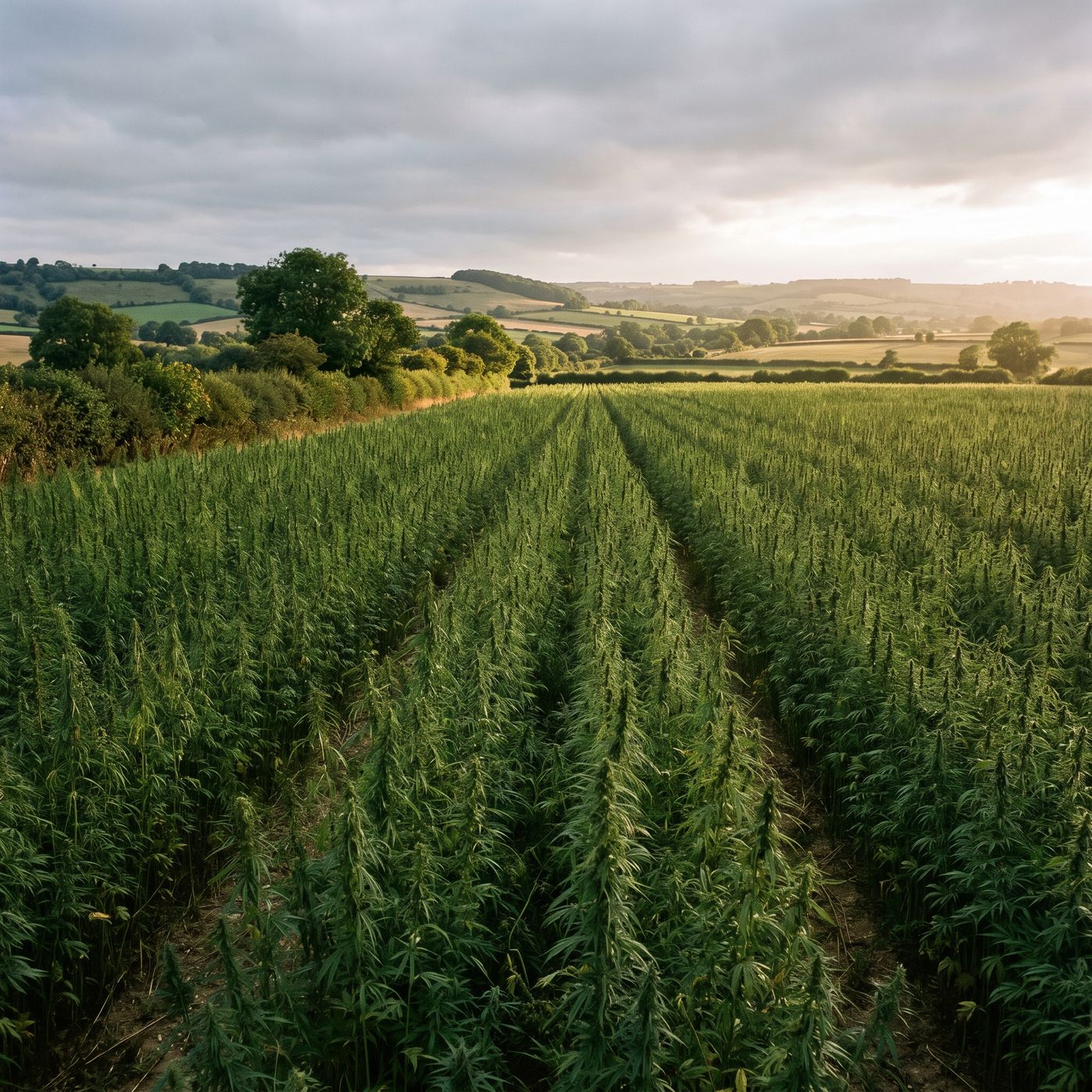
In the UK, growing hemp needs a licence from the Home Office. Only approved varieties qualify, with a THC content of no more than 0.2%. Licensed farmers can use the seed and the fibre. It is a tightly controlled farm crop, not a loophole.
Myth 4: more ingredients means a better product
The fact: a long ingredient list often tells you more about cost, texture and shelf appeal than quality. Fillers, fragrances, colours and preservatives all earn their place on some products. They also dilute what the product is meant to be about.
Our ingredient list is two lines long. Hemp seed oil. Hemp extract. That's the lot. Nothing added for scent, colour or shelf life.
Myth 5: oils always sit greasy on the skin
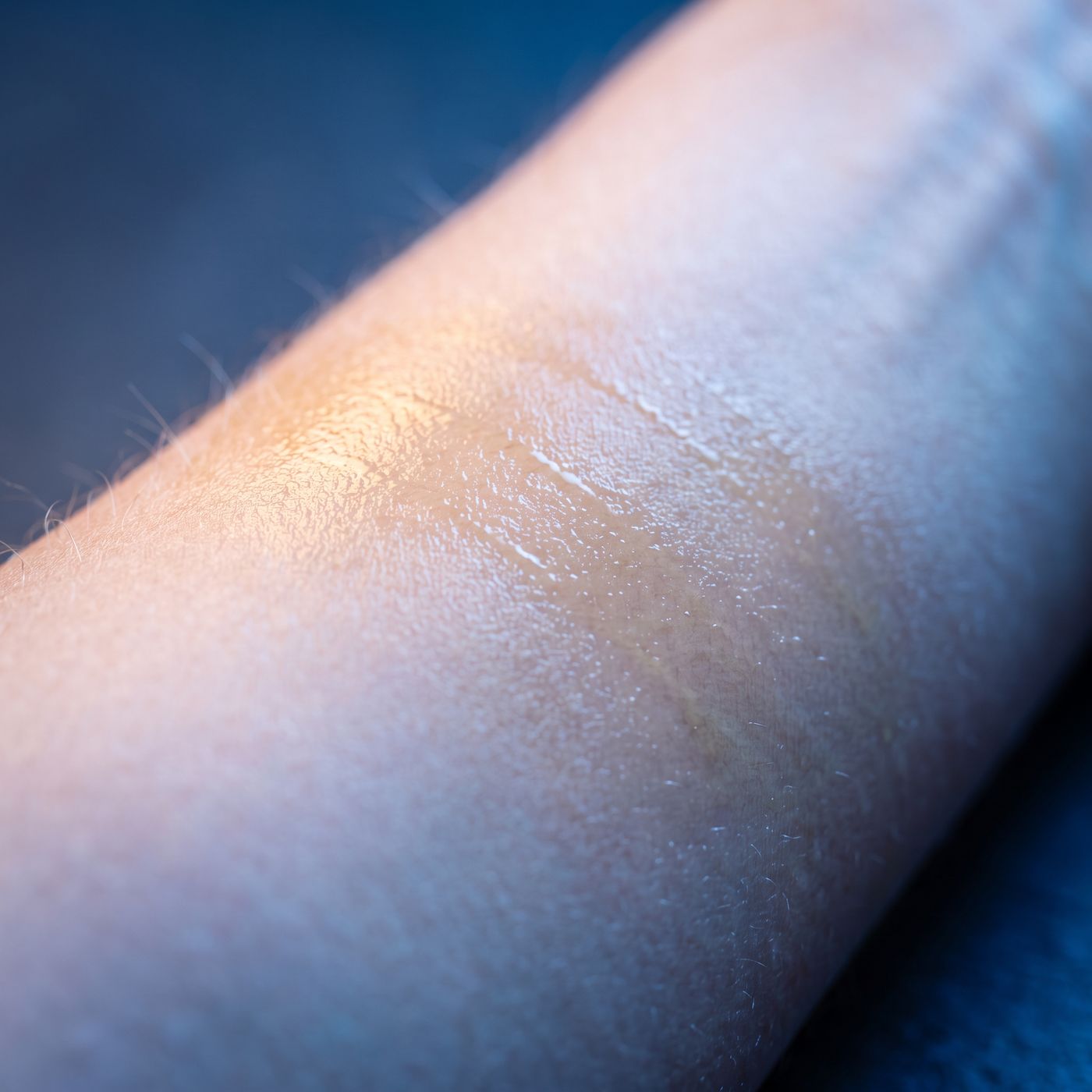
The fact: oils vary a lot in how they feel. Heavy oils can sit on the surface for a long time. Hemp seed oil is light by comparison. It rolls on, sinks in fast and leaves no greasy film on your clothes. We call it on, then gone.
How you apply it matters too. A roll-on puts a thin, controlled layer exactly where you want it, so there is less to rub in. Here's the ten-second routine.
Myth 6: all hemp products are basically the same
The fact: quality varies a lot. Hemp products range from carefully made cosmetics to products with vague labels and no paperwork behind them. A few checks separate them quickly:
Magic Oil PURE has all of them. If the letters are new to you, our guide to CPSR, UKAS, ISO and GMP explains each one.
Myth 7: hemp is a new trend
The fact: hemp is one of the oldest crops in Britain. In 1533 an Act of Parliament under Henry VIII required farmers to sow flax or hemp: a quarter of an acre for every sixty acres under the plough. The requirement was renewed in 1563 under Elizabeth I. The reason was practical. England's navy needed rope and sailcloth. Hemp made the strongest of both.

We tell the longer story in Hemp in Britain: rope, sails and a 1533 law.
Seven myths. One plant.
Hemp is old, varied and widely misunderstood. The plant itself has never been the problem. The way it has been sold often has. Magic Oil PURE is our answer: two ingredients, the whole plant kept in its own ratios, tested and certified, made in the UK.