Turn over almost any hemp product and you'll find a cluster of letters: CPSR, UKAS, ISO, GMP. They look official. Most people have no idea what they mean, which makes them easy to borrow and hard to check.
This guide explains each one in plain English: what it is, who is responsible for it and what it actually tells you.
CPSR: Cosmetic Product Safety Report
A CPSR is the safety assessment every cosmetic needs before it can be sold in Great Britain. It is a legal requirement under the UK's cosmetics regulations, not an optional badge.
The report has two parts. The first sets out the safety information: the formula, the ingredients and their quality, the possible exposure and how the product will be used. The second is the assessment itself, written and signed by a qualified safety assessor who reviews that information and concludes whether the product is safe for its intended use.
What else the law asks for
- A Responsible Person. A UK-based person or company legally responsible for the product's compliance. Their name and address must appear on the pack.
- A Product Information File. The full technical record for the product, including the CPSR, kept available for inspection.
- Notification. Cosmetics placed on the GB market are notified through the government's Submit Cosmetic Product Notification service.
- Proper labelling. Including the ingredient list, batch number and any precautions for use.
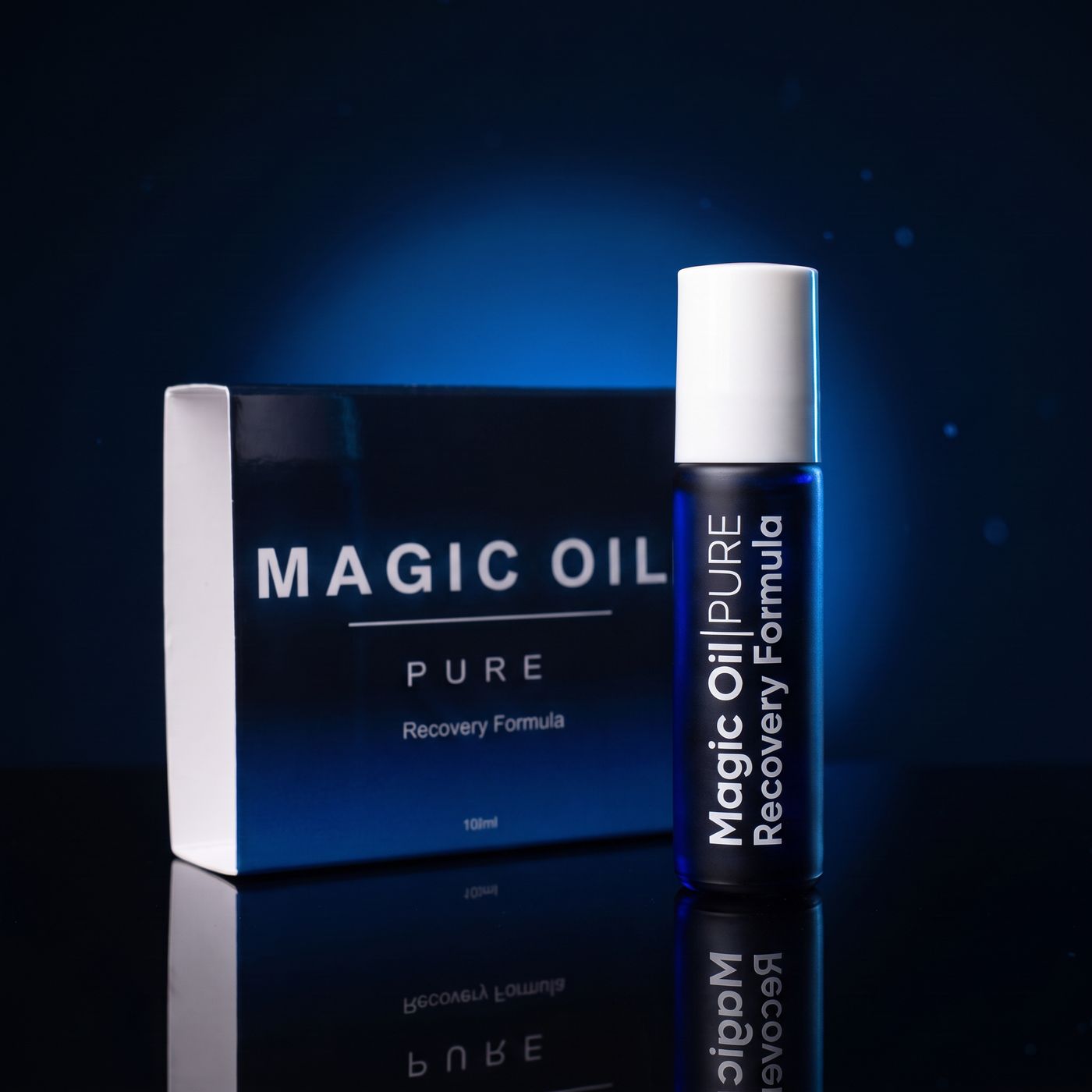
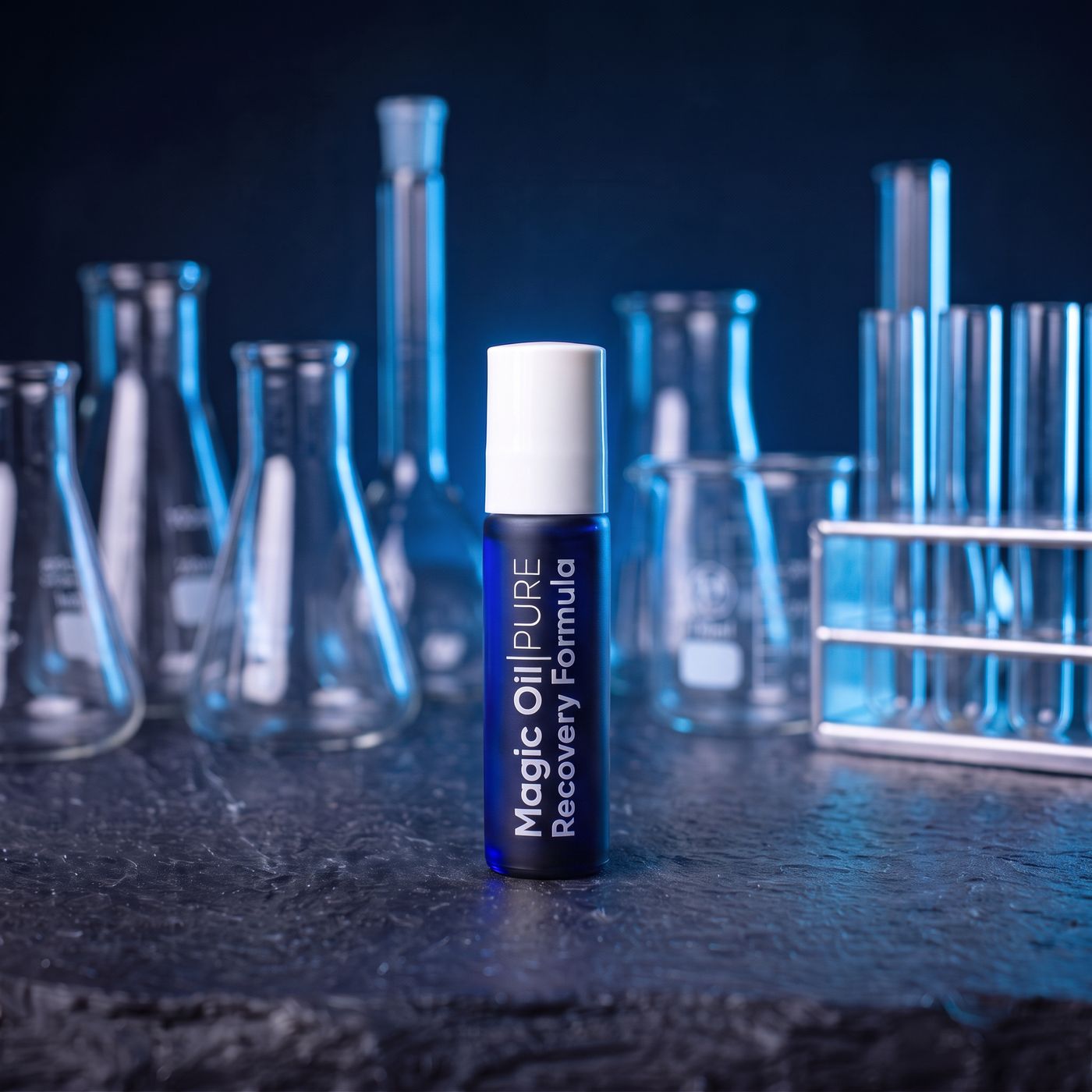
Magic Oil PURE has a CPSR. When a brand says its cosmetic is CPSR certified, it is telling you it has done the minimum the law requires. When a cosmetic can't show one, that tells you something too.
UKAS: United Kingdom Accreditation Service
UKAS is the national accreditation body for the United Kingdom, appointed by government. It assesses organisations that test, inspect and certify, including laboratories, to check that they are competent and impartial.
Accreditation is the difference between "a lab tested it" and "a lab whose methods, equipment, staff and quality systems have been independently assessed tested it". When a result comes from a UKAS-accredited lab, you can trust the process behind the number.

ISO/IEC 17025: the standard for testing labs
ISO/IEC 17025 is the international standard for the competence of testing and calibration laboratories. It covers how a lab runs its tests, validates its methods, trains its people, maintains its equipment and reports its results.
UKAS accredits labs against ISO/IEC 17025. A UKAS-accredited 17025 lab is about as solid as independent testing gets in the UK.
So what did the lab find?
Cannabinoids not detected.
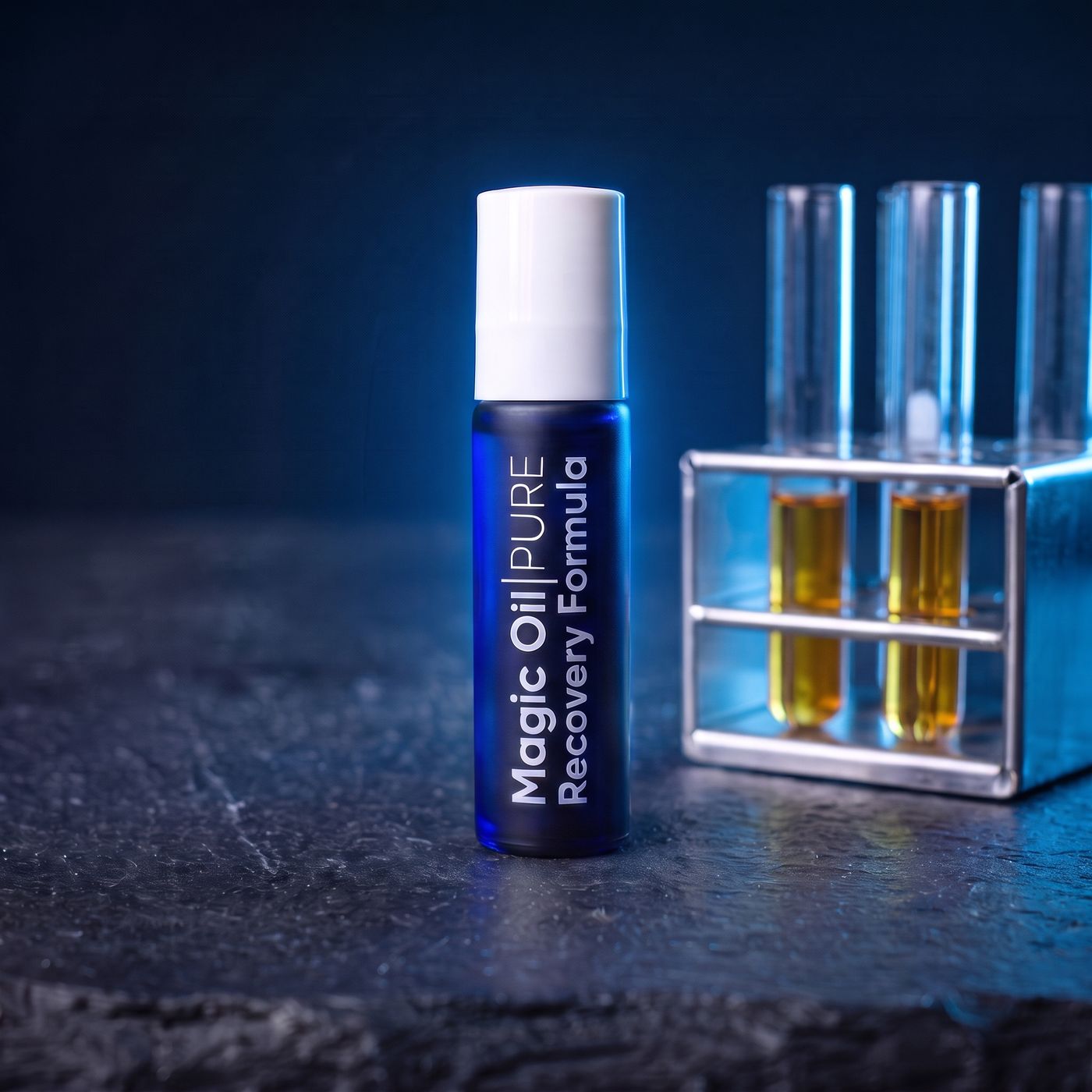
Magic Oil PURE was tested by a UKAS-accredited laboratory working to ISO/IEC 17025. Cannabinoids, including THC and CBD, were not detected in the finished oil.
GMP and ISO 22716: how a product is made
GMP means Good Manufacturing Practice. It is a set of rules for making products consistently and safely. For cosmetics the reference standard is ISO 22716, which covers the whole production process:
- Clean, suitable premises and equipment
- Trained people with clear responsibilities
- Controlled raw materials and documented procedures
- Batch records, so every batch is written down
- Traceability, so any bottle can be traced back to its batch
We blend and bottle Magic Oil PURE to cosmetic GMP standard in our own UK facility. Every batch is recorded.
How to use the letters to judge any hemp product
None of these letters tell you how a product will feel or whether you'll like it. What they do is show you how much care has gone into it before it reached you.
Lots of letters. One simple idea: you know exactly what's going on your skin.