Hemp is often described as a new trend. In Britain it is closer to the opposite. For several hundred years it was one of the most strategically important crops in the country, grown by law and tied to the strength of the navy.
A crop the navy depended on
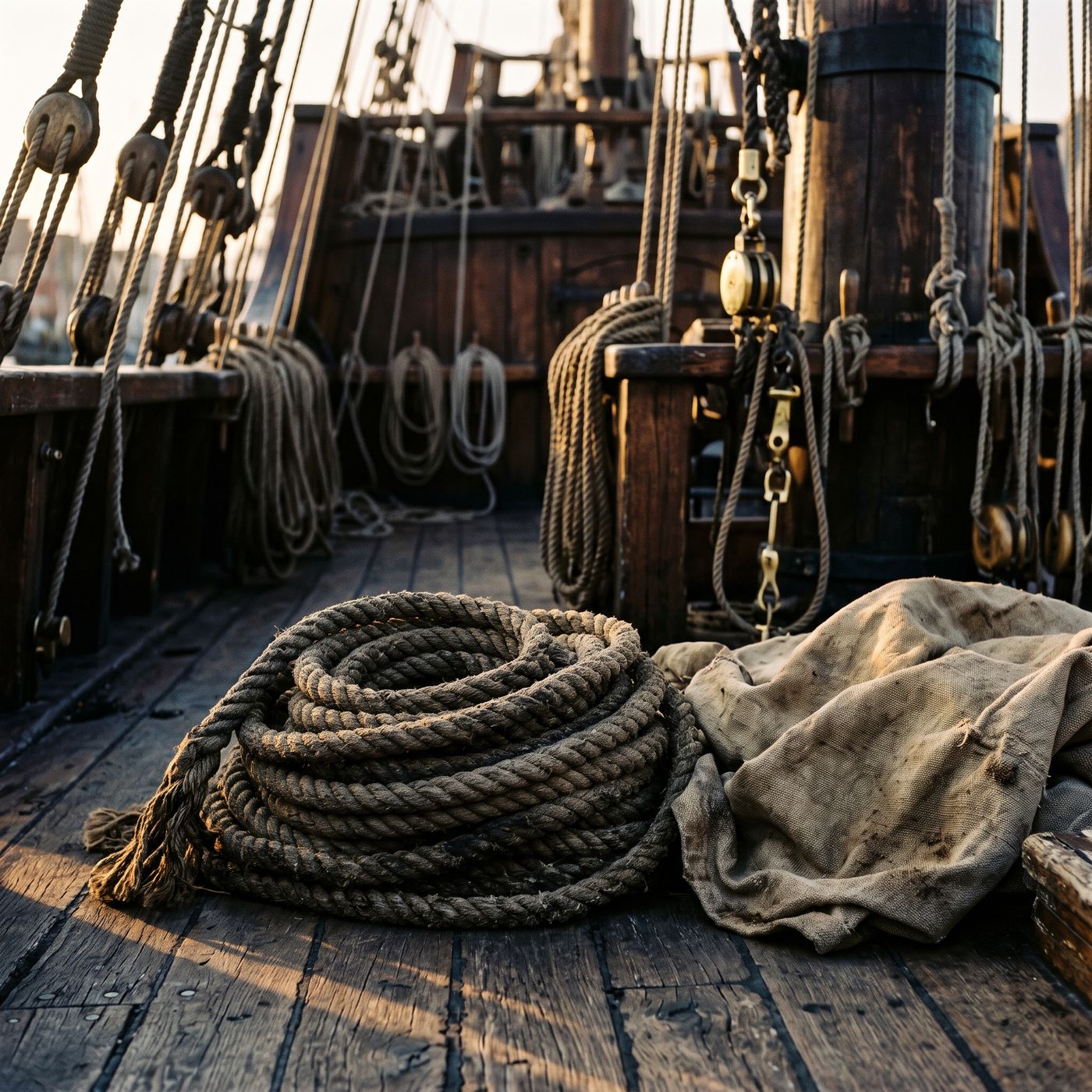
Before steel cable and synthetic fibres, ships ran on rope and canvas. Rigging, anchor cables, mooring lines and sails all had to survive salt, wind and weight for months at sea. Hemp fibre was long, strong and resistant to rot, which made it the material of choice for the hardest jobs on board.
A large sailing warship needed a great deal of it. Naval dockyards built long rope houses, known as ropewalks, where yarn was twisted into rope along buildings that could stretch for hundreds of metres. Supplying them reliably was a matter of national security.
The 1533 law
In 1533 Parliament passed an Act under Henry VIII requiring farmers to grow flax or hemp. The rule was simple: for every sixty acres under the plough, a quarter of an acre had to be sown with one of the two crops. Flax made linen. Hemp made rope and heavy cloth.
The requirement was renewed in 1563 under Elizabeth I. Hemp remained a familiar crop in parts of England for generations, particularly in areas with rich, damp soils such as the Isle of Axholme in Lincolnshire.
For every sixty acres under the plough, a quarter of an acre of flax or hemp.
Decline
Over time the demand for home-grown hemp fell away. Imports, cheaper fibres such as cotton and jute, then steel cable and synthetics all played a part. By the twentieth century hemp had largely disappeared from British farms. Later drug laws grouped all Cannabis sativa together, which made growing it far more complicated.
Hemp in the UK today
Hemp is grown in the UK again, under strict rules. Growers need a licence from the Home Office. Only approved varieties qualify, with a THC content of no more than 0.2%. Licensed farmers can use the seed and the fibre, the parts of the plant that are not controlled.
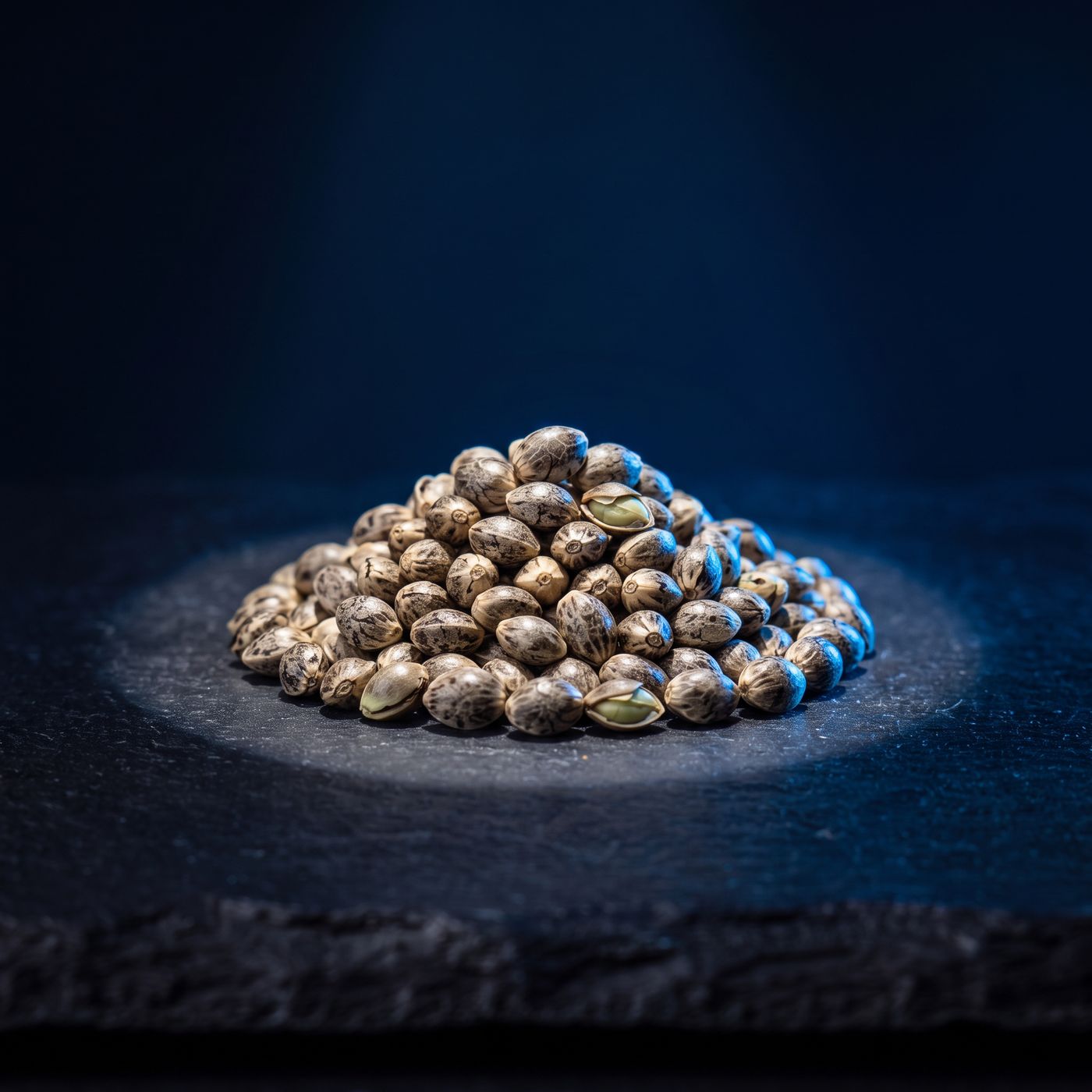
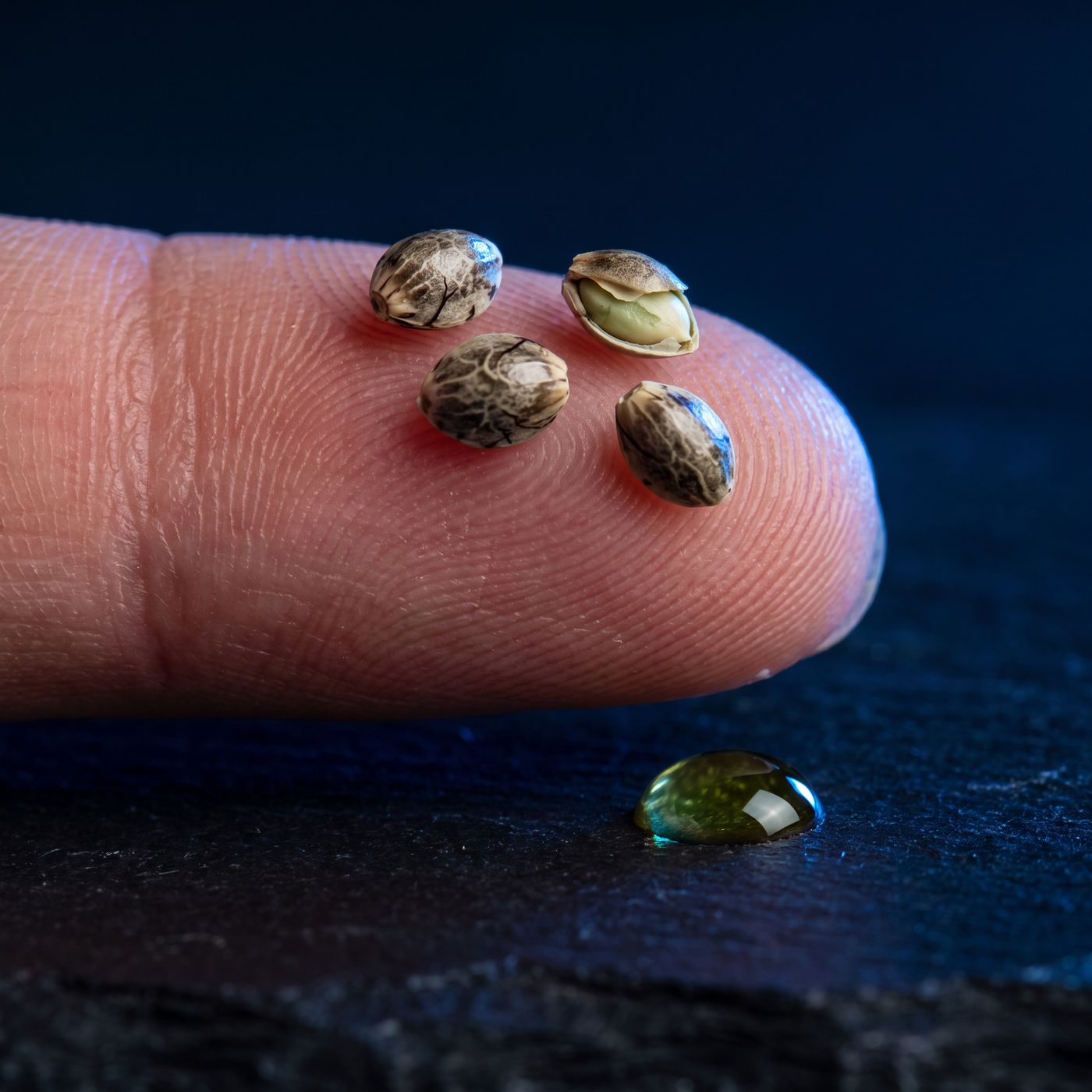
Those parts go a long way. Hemp seed is pressed for oil and eaten as food. The fibre is used in textiles, paper and building materials such as hempcrete. The licensing rules have also been updated in recent years, including changes to how long a licence lasts from the 2026 growing season.
From rope to roll-on
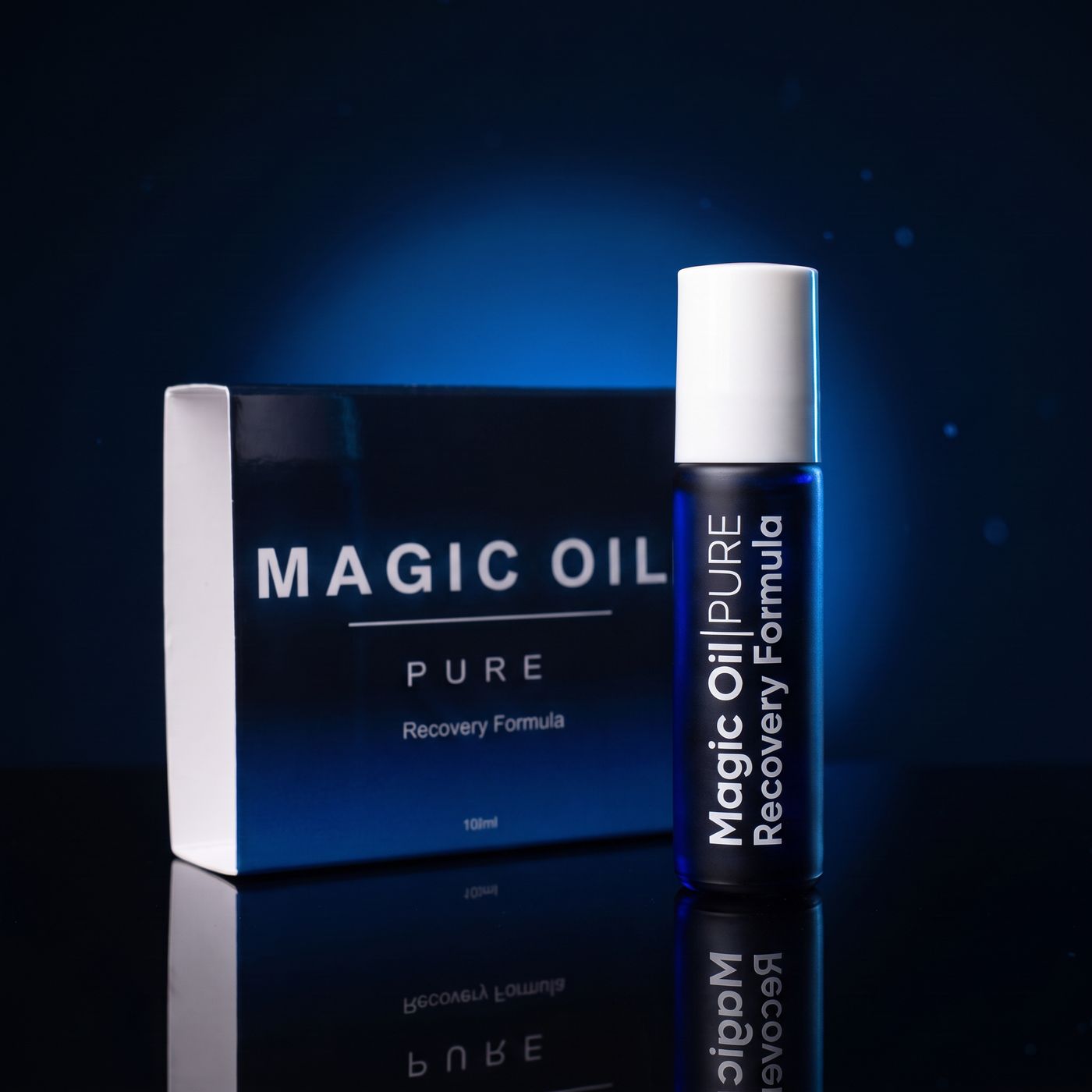
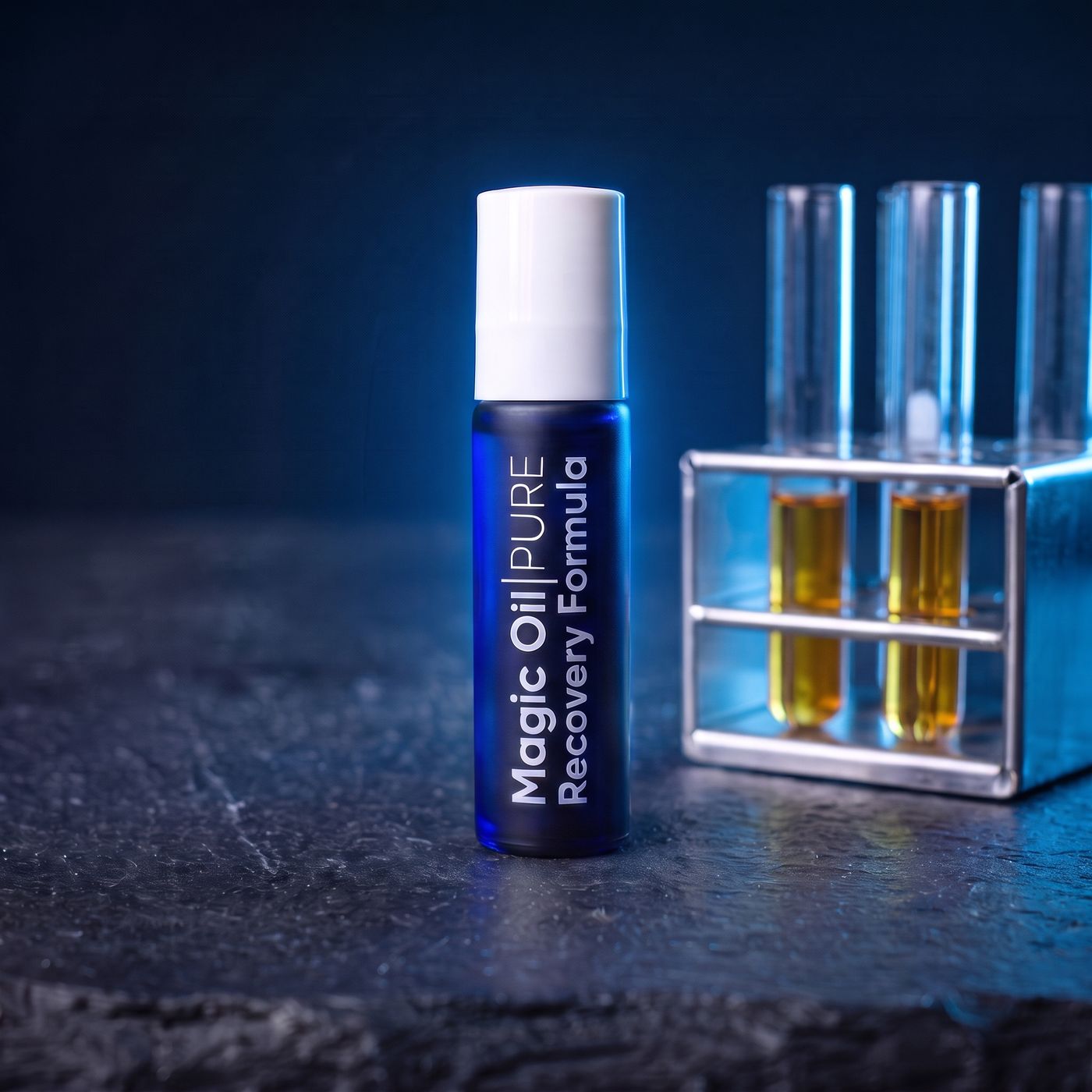
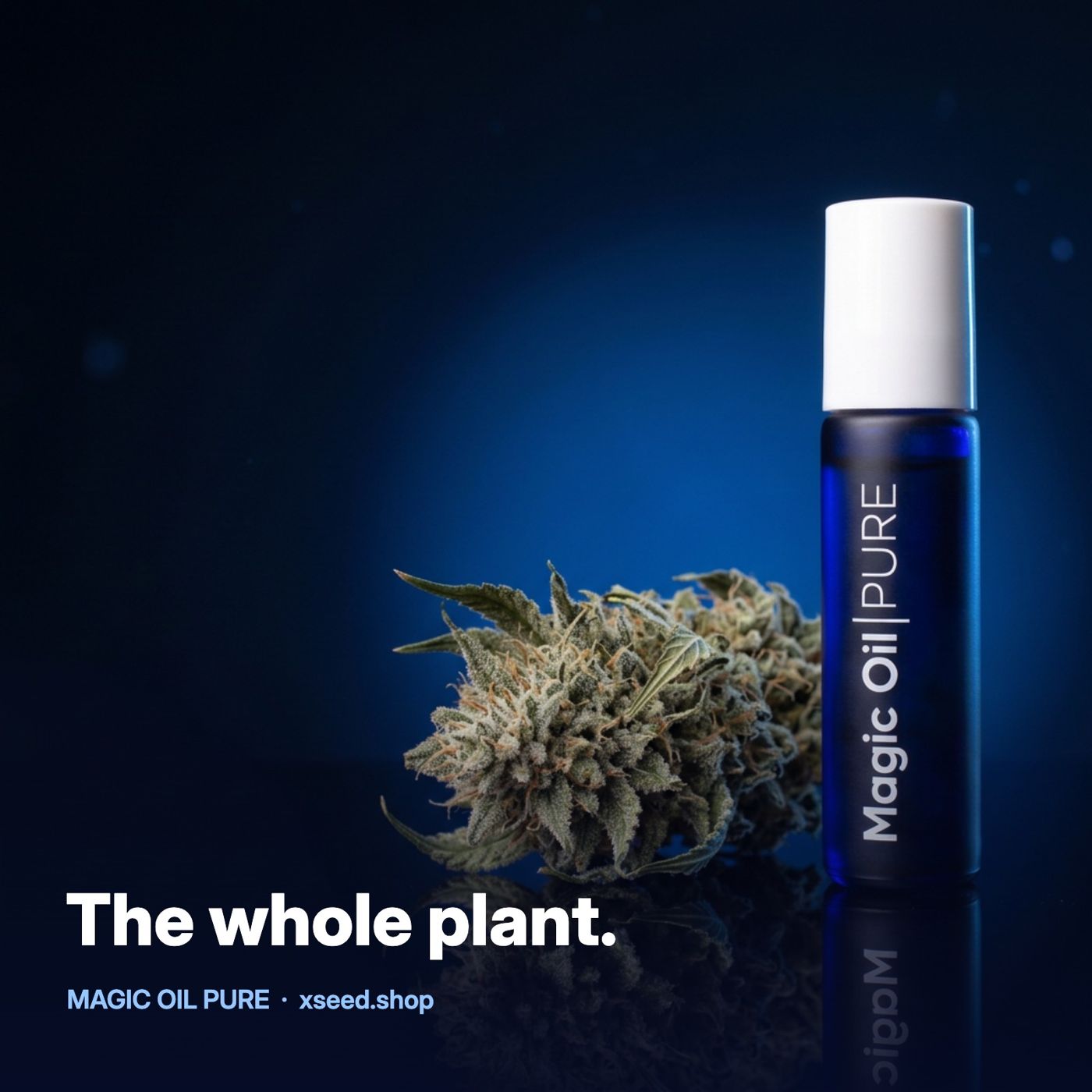
Magic Oil PURE is a small, modern chapter in a long story. Its base is cold-pressed hemp seed oil, from the same species that once kept the navy afloat. The second ingredient is a multi-strain hemp extract, kept in the plant's own ratios. You can follow the whole process in From seed to roll-on.